

At a Glance
- Mount Bovers housing development was unanimously refused by Rochford District Council.
- Concerns about drainage, healthcare, and infrastructure capacity are central to the debate.
- Over 7,000 objections highlight widespread public opposition.
- The appeal process will address broader regional growth and environmental issues.
- Questions remain about how cumulative impacts of development are managed across South Essex.
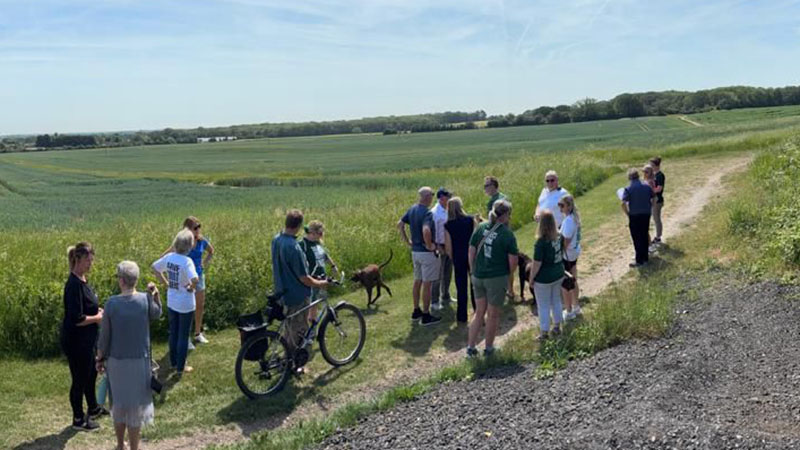
Residents, campaigners and supporters have gathered on several occasions to highlight concerns about the proposed development.
Local Issues
The unanimous refusal of the Mount Bovers housing development by Rochford District Council’s Development Committee marks a significant moment in one of the most closely watched planning debates in South Essex.
Councillors rejected the outline application for up to 350 homes on land between Hawkwell and Hockley despite a recommendation for approval from planning officers. However, with an appeal now expected, the debate is far from over.
While much attention has focused on a single site, the issues raised by Mount Bovers extend well beyond one planning application. They raise important questions about how growth is being managed across South Essex and whether infrastructure is keeping pace with the scale of development being proposed.
Widespread Public Opposition
The officer recommendation came despite more than 7,000 objections from residents, community groups and elected representatives. The site was not identified for development during the Regulation 18 consultation process and remains productive agricultural land within an area many regard as an important part of the Upper Roach Valley landscape.
The debate over whether the site should be considered Grey Belt, as argued by the developers, rather than traditional Green Belt, will undoubtedly continue during the appeal process. Yet perhaps the more important question is not simply where new homes are built, but whether the infrastructure required to support them is being delivered first.
Drainage Infrastructure Concerns
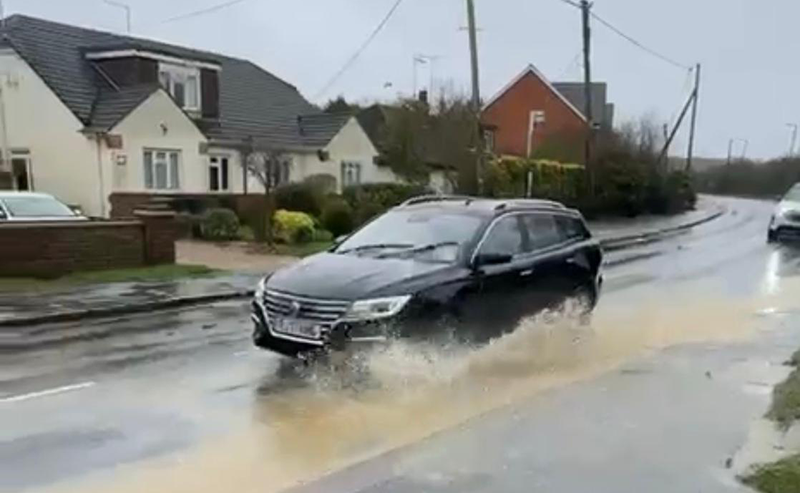
One of the most significant concerns raised during consideration of the application related to drainage and sewerage infrastructure. Anglian Water identified capacity constraints within the existing network, leading many residents to question whether existing systems can accommodate substantial additional demand without increasing the risk of flooding, sewer overflows or environmental harm.
Healthcare Capacity Questions
Healthcare provision is another growing concern. While developer contributions towards primary healthcare facilities are often proposed, population growth affects every part of the NHS, including GP services, ambulance provision, community healthcare, mental health services and hospitals.
Residents across Rochford, Southend, Rayleigh, Hockley and Hawkwell all rely on the same healthcare infrastructure. Many already experience difficulties securing appointments and accessing services. Against this backdrop, it is reasonable to ask whether healthcare capacity can realistically keep pace with the cumulative impact of thousands of new homes proposed across South Essex.
Infrastructure Before Development
Few would dispute the need for new homes. The real question is whether infrastructure is being delivered ahead of development or simply expected to catch up afterwards.
The Development Committee’s unanimous refusal means that, for now, Mount Bovers will remain undeveloped. However, as the proposal moves towards appeal, the wider issues it has highlighted remain unresolved.
Mount Bovers is also not being considered in isolation. Across Rochford District and neighbouring areas, multiple developments are proposed or underway. While each application may appear manageable individually, their combined impact on roads, schools, healthcare services, drainage systems and public services is considerably greater.
This raises an important question for decision-makers: are cumulative impacts being given sufficient weight when planning applications are assessed?
The debate also reflects wider concerns about the future of South Essex’s remaining countryside. Green Belt and agricultural land provide wildlife habitats, support food production, contribute to climate resilience, and help maintain the distinct identities of towns and villages by preventing urban sprawl.
The appeal is likely to test not only the planning merits of a single site, but also broader questions about infrastructure capacity, environmental protection and how growth should be managed across South Essex in the years ahead.
The answers to those questions will affect communities across the region for many years to come. Once open countryside is lost, it is rarely recovered.

By Julie Gooding
julie_gooding59@yahoo.co.uk