

At a Glance
- Southend and wider South East Essex face the loss of valuable farmland to development.
- Only around 16% of vegetables eaten in the UK are grown locally in this region.
- Farmland provides essential food security, flood protection, and climate resilience.
- Development prioritises short-term profit over protecting productive agricultural land.
- The call is for smarter housing development focusing on brownfield sites and reuse of empty buildings.
Why I Believe Southend is Paving Over its Food Future
South East Essex farmland is at risk of sleepwalking into food insecurity as more and more high-quality farmland comes under pressure from development. This is not just an environmental issue but one that affects local resilience, food affordability, flood protection, and the future security of our communities.
Food Security Matters
Food security is not a slogan; it is the quiet foundation of a safe, resilient country. Yet, we continue building over the very land that feeds us. The UK currently produces only around 62 per cent of the food it consumes, and with self-sufficiency continuing to fall, the situation is concerning. For fresh fruit, domestic production stands at just 16 per cent, while only around half of the vegetables eaten in the UK are grown here. Despite this, farmland across Southend, Rochford, Castle Point and Basildon is increasingly being earmarked for development.
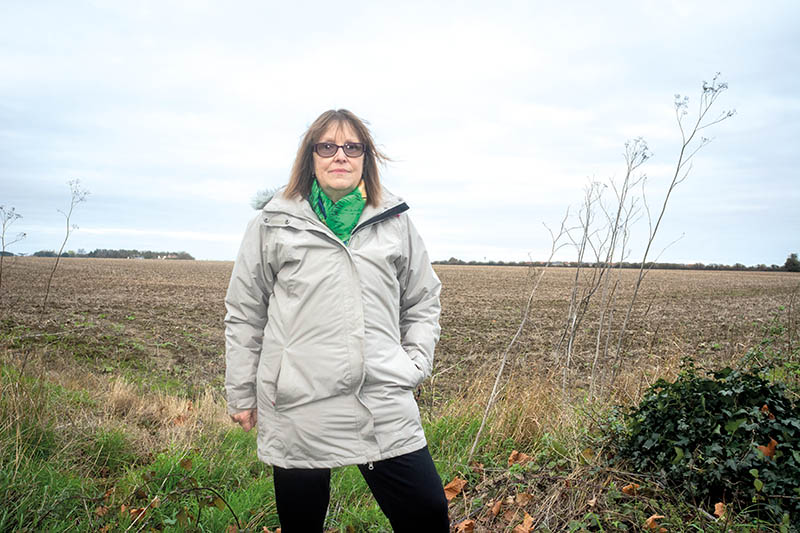
In Southend, where I live, good agricultural land is described as having “low value” or being effectively “dead” to justify development. I strongly disagree with that view. Anyone who has walked on this land can see that it is healthy, productive and, in some cases, still actively farmed.
Once It’s Gone, It’s Gone Forever
Once farmland is gone, it is gone forever. You cannot farm housing estates. You cannot harvest concrete. The loss of open land also creates wider problems for communities. Fields help absorb floodwater, reduce overheating during heatwaves, and maintain the important separation between towns and villages.
Across Southend and Basildon, land that once helped protect communities from flooding and supported local food production is increasingly being viewed as disposable. I do not believe this land is spare. It is productive, protective and precious.
Standing Up for South East Essex’s Green Spaces
I want to make it clear that this is not about opposing housing altogether. We absolutely need homes, but we need the right homes, built in the right places, for the right reasons. Brownfield sites should come first. Empty buildings should be reused. Town centres should be renewed before we pave over green spaces simply because it is easier and more profitable in the short term.
Protecting the Future
I worry that the gradual loss of farmland across South East Essex will leave communities increasingly vulnerable to rising food prices, supply chain disruption and the growing impacts of climate change.
A country that cannot feed itself is not strong. A region that sells off its soil is not secure. And a community that loses its land loses part of its identity and its voice.
I believe this issue should matter to everyone, regardless of politics. Protecting productive land is not a left or right issue; it is about safeguarding the future.
This is our moment to stand up for our fields and speak up for our future. Because you cannot grow food on concrete, and you cannot build a secure future by destroying the very land that sustains us.
By Tricia Cowdrey
South East Essex Green Belters
tricia.cowdrey@gmail.com