

At a Glance
- Plans for 5,000 new homes on Green Belt and agricultural land north of Bournes Green face strong local opposition due to traffic congestion concerns.
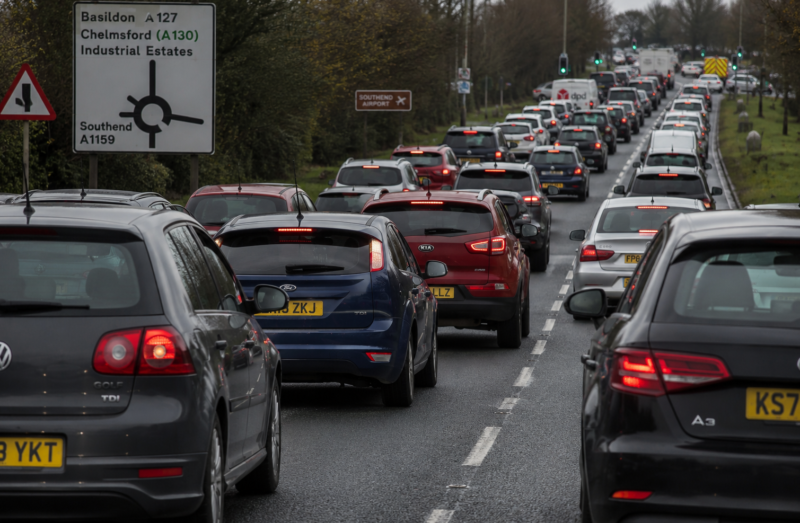
- Existing roads including the A127 and A13 already experience severe congestion during peak and off-peak times.
- Proposals fail to adequately address drainage and wildlife habitat loss, with risks to internationally important bird refuges.
- A relief road proposal is considered insufficient to ease traffic issues and may worsen gridlock.
- Local residents and some councillors urge refusal of outline planning permission, warning of irreversible impact on the community.
Born and Raised Locally
Born in Thorpe Bay, I have always lived in the immediate vicinity, enjoying the sea, beach, creeks, local leisure clubs, and the surrounding countryside. Access to areas east of Southend is uniquely restricted by the Thames, North Sea and surrounding creeks, with connections largely limited to the A127 and A13, unchanged for almost 90 years. Meaningful relief roads are restricted by the River Roach, Rochford and Southend Airport.
Traffic Reaching Breaking Point
Development to the east of Southend has gradually merged Thorpe Bay with Shoeburyness, extending towards Great Wakering. Traffic queues now occur throughout the day, with congestion common well before Cuckoo Corner, Progress Road and onwards to the A130 and Basildon junctions. Such congestion needs to be addressed before more housing development is approved.
5,000 Homes Proposed
Outline planning permission is being considered for 2,000 homes north of Bournes Green, extending from behind Thorpe Hall School to The Angel at North Shoebury Corner and northwards to Southend Road at Morley’s Nurseries. The supporting Transport Assessment only considers peak hours (8.00am-9.00am and 5.00pm-6.00pm), overlooking existing severe congestion beyond those times. The application describes the Green Belt as “small and fragmented,” a reason to protect it rather than build on it.
Bellway has announced plans for an additional 3,000 homes on two adjoining sites, including parts of Garons Parkside Golf Course and land near Royal Artillery Way, Wakering Road, and Rebels Lane, creating one large conurbation encompassing Great Wakering.
Environmental and Infrastructure Concerns
The proposal involves building on Grade 2 and Grade 3 agricultural land classified as “best and most versatile”, resulting in the loss of vital wildlife habitats and increased pressure on internationally important wading bird refuges along the River Roach and surrounding creeks. Thorpe Hall Avenue already floods when heavy rainfall causes sewer overflow. Additional development would place unacceptable strain on an already stressed drainage system.
Roads Already Overloaded
Local roads, the A127, and the A13 are overcrowded, with delays a daily reality. On recent occasions, traffic has continuously queued from Lifstan Way to the Kursaal, even during weekday afternoons. Further large-scale housing will only worsen this situation.
Residents’ Concerns Ignored
Concerns about road congestion raised during Bellway’s February and June consultations were not adequately addressed. Bellway suggests a relief road near Tesco linking east Southend to the A127 via Airport Retail Park, but given that traffic queues already extend beyond Tesco, this is unlikely to provide meaningful relief.
Outline Permission Means Major Step Forward
Granting outline permission effectively concedes the principle of development, with many conditions subject to change later. Some decision-makers may not experience local congestion firsthand, potentially underestimating the impact on residents.
Time to Draw the Line
The recent change in political control at the Council offers a chance to refuse these applications and prevent further large-scale development to the east of Southend. Concerns over traffic congestion and local quality of life must be prioritised over potential developer appeals.
At the very least, a genuine and fully completed relief road—not one that merely reaches Tesco—must be in place and proven effective before permitting further development. However, I fear no such route exists.
Complete gridlock could be closer than we think!
By Duncan Ford, Local Resident