

At a Glance
- September is ideal for planting garlic, spring cabbage, and seed potatoes.
- Prepare the garden for autumn by pruning, planting, and composting fallen leaves.
- Care for ponds by removing blanketweed and protecting waterlilies.
- Support wildlife by leaving vegetation for shelter and installing bird boxes.
- Plant autumn bulbs and winter bedding, and divide herbaceous perennials for a refreshed garden.
Days to Remember
- National Organic Month
- 5 September – International Day of Charity
- 20–29 September – Great British Beach Clean
- 24 September – International Rabbit Day
On the Plot
September is a busy month on the vegetable plot as we begin preparing for autumn. Garlic can now be planted directly into the ground, while spring cabbage can also be sown outside ready for the months ahead. Prune back blackberry canes once they have finished fruiting and plant seed potatoes now if you are hoping for a Christmas harvest.
With autumn leaves soon beginning to fall, it is also worth investing in a compost bin. Fallen leaves and garden waste can be turned into valuable compost to use around the garden next year.
In the Garden
If you are planning to plant fruit trees or bushes this year, start preparing the ground now. Plant potted cyclamen and autumn bulbs for spring colour, trim and tie in climbers, and clear away tired summer bedding. Remove shading from glasshouses as light levels fall.
Once temperatures cool and we have some rain, conditions will be ideal for planting winter bedding, with pansies already beginning to arrive. September is also a good time to sow a new lawn and divide established herbaceous perennials, helping to refresh plants and create extras for elsewhere in the garden.
By the Pond
Cover ponds with netting if leaf fall is heavy, and continue removing blanketweed and duckweed. Cut back overgrown marginal plants and check waterlilies for fungal problems, removing affected foliage promptly.
Family & Friends
Leave some vegetation to die back naturally, providing valuable food and shelter for birds, insects and other wildlife. Bird boxes can offer winter refuge for species such as robins and starlings. Hedgehogs will be building up fat reserves before hibernation, so provide suitable food and shelter where possible. High-energy bird food will also help resident and migrating birds prepare for the colder months.
Top Tip
Plant cyclamen at the same depth as they were growing in their pot. Too deep can encourage leaves rather than flowers, while too shallow can weaken the plant. Aim for a happy medium for healthy growth and plenty of colour.
Pick of the Month
- Trees: Crataegus (Hawthorn), Malus (Crab Apple) and Sorbus (Mountain Ash).
- Shrubs: Chaenomeles (Japanese Quince), Pyracantha and Symphoricarpos (Snowberry).
- Climbers: Campsis and Passiflora (Passion Flower).
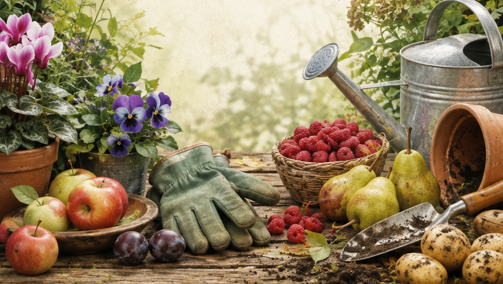
- Fruit in season: Apples, Plums, Pears and Raspberries.
Follow morleynurseries.com for ideas on how to encourage your children to enjoy gardening and much more.