

At a glance
- More than 25 women with recent experience of homelessness were spoken to in Southend.
- The census included women sleeping rough as well as those sofa surfing or staying temporarily with friends.
- HARP says women now make up 29% of the people it supports – its highest proportion recorded.
- The findings will help local organisations shape future homelessness services for women.
Women experiencing homelessness in Southend are being given a greater voice following the city’s participation in the national Women’s Rough Sleeping Census for the first time.
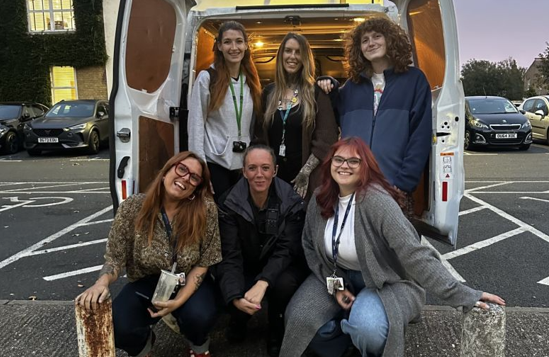
Local homelessness charity HARP worked alongside Southend-on-Sea City Council, Aspirations, STARS, Community Support Officers and the Storehouse to speak to more than 25 women who had experienced homelessness during recent months.
Importantly, the census looked beyond those visibly sleeping on the streets. It also included women experiencing less obvious forms of homelessness, such as sofa surfing, staying temporarily with friends or finding other places to sleep where they are less likely to be noticed.
The Southend census formed part of a nationwide project involving more than 115 local authorities and hundreds of organisations across England.
Women experiencing homelessness can often be particularly difficult to identify because concerns over personal safety may lead them to avoid traditional rough sleeping locations. Some may walk throughout the night or seek temporary shelter in places such as buses or hospital A&E departments during the day.
Charlotte Brown, Service Manager of HARP’s Women’s Specialist Supported Housing, coordinated the census locally.
She said: “Due to the dangers associated with rough sleeping, women are very often the most hidden homeless. We felt it was particularly important to get accurate information for the local area.
“We learnt a lot from speaking to women this week and we’ll be working with colleagues and local partners to use what we’ve heard to help shape our services for women experiencing homelessness.”
HARP says the proportion of people it supports who are women reached 29% during the last financial year, a new high for the charity and almost double the national estimate for women among people sleeping rough.
Charlotte added that women can too often be missing from official homelessness data, which can also mean their needs are overlooked when services and support are planned.
Councillor Irene Ferguson, Cabinet Member for Housing and Preventing Homelessness, said understanding women’s experiences was essential to ensuring appropriate help was available.
“Women experiencing homelessness can often face challenges that are less visible and harder to identify,” she said.
“Working closely with HARP and local partners, Southend-on-Sea City Council was pleased to support this important census as part of our ongoing work to prevent and respond to homelessness in the city.”
The national Women’s Rough Sleeping Census has been gathering women’s experiences for four years, asking questions about where they sleep, why they may remain hidden and what would help them feel safer.
HARP is also supporting the #MakeWomenCount campaign, led by Single Homeless Project and Solace Women’s Aid, which is calling for Government funding to roll out the Women’s Rough Sleeping Census across England from 2027.
For women in Southend who are experiencing homelessness and need support, or who would like to share their experiences, HARP can be contacted at admin@harphomeless.org.