

At a Glance
- A Southend family suffered two raw sewage floods in their home, leading to serious illness and costly damages.
- The underlying sewer network faults have not been permanently fixed, posing ongoing risks, especially during heavy rain.
- Southend’s wastewater infrastructure is under strain, with repeated pollution incidents along the coast threatening public health and tourism.
- Investigations revealed sewage discharges into local estuaries and beaches, raising concerns about water safety for swimmers and paddleboarders.
- Calls for transparency, accountability, and urgent investment in sewage infrastructure are growing as development pressures increase.
Photos by Jamie Crum Crumptonot
A Southend Family’s Sewage Crisis
For many, sewage pollution is a distant environmental concern tied to offshore discharge maps, beach warning signs, or alarming headlines about contaminated seas and rivers. But for one family in Clifftown, Southend’s sewage crisis came directly into their home.
On the evening of 2 May 2026, several properties on Cliff Parade and nearby areas experienced sewage flooding. Anglian Water removed approximately 85 metres of blockage and eight tanker loads of debris from the sewer network, yet the problem was not resolved.
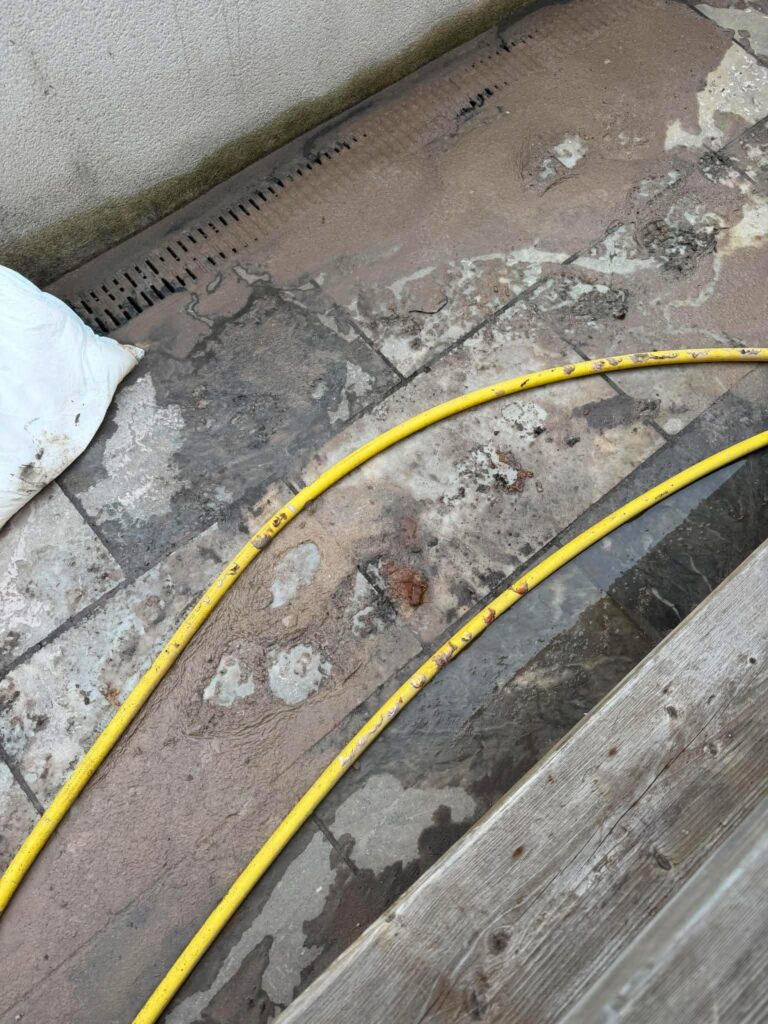
Just over a month later, on 4 June, the same household suffered a second sewage flooding. Raw sewage entered the cellar, causing extensive contamination and severe damage. Every member of the household became unwell. A child missed a week of school due to severe sickness, and the family’s dog became seriously ill after possible exposure to contaminated floodwater. Months of remediation have followed. Their insurance claim has already exceeded £250,000; a wine collection was destroyed and structural repairs are ongoing.
The Wider Sewage Crisis in Southend
These events highlight broader issues with Southend’s wastewater infrastructure, which is struggling to cope. Residents are familiar with flooding concerns on Thorpe Hall Avenue and recurring reports of sewage pollution affecting beaches and coastal waters. Such incidents prompt important questions about investment in infrastructure that protects homes, the environment, and public health.
What the Cameras Found
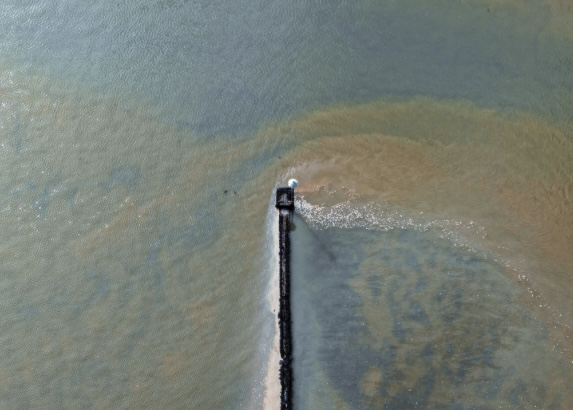
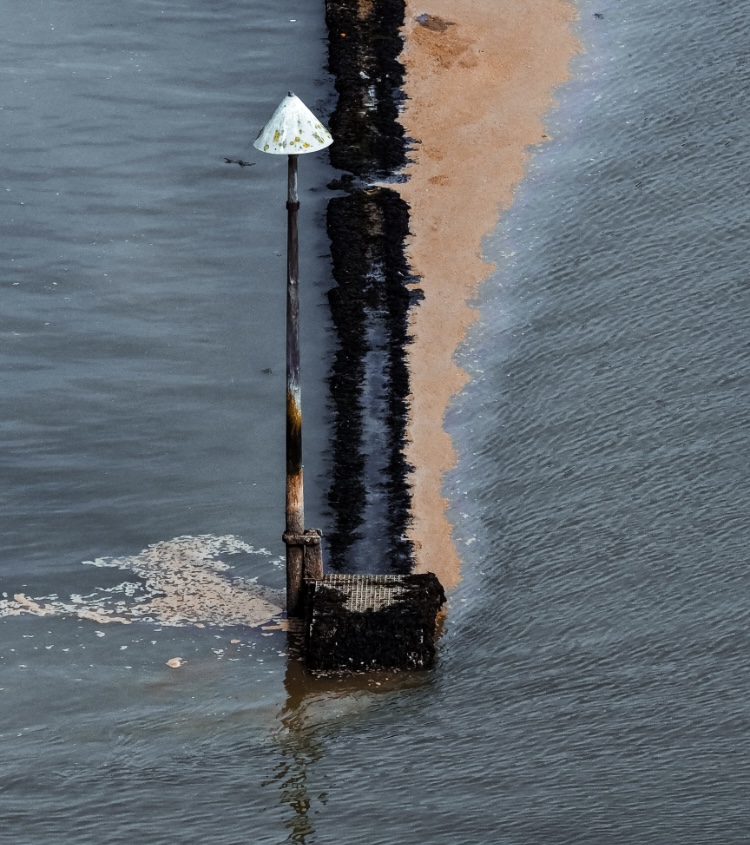
The issue gained focus after the Paddle Out Protest at Chalkwell Beach in May, organised by Southend Against Sewage (SAS). A BBC Look East crew filming the event visited Thorpe Bay and recorded concerning footage at Camper Road Combined Sewer Overflow (CSO), where sewage was visibly discharging into the estuary. The crew detected a strong sewage smell and observed the discharge spreading across the beach with the receding tide. This incident was reported to the Environment Agency and later presented at Waterwatch UK’s Water Quality Summit as an example of conditions beach users may face along the Southend coastline.
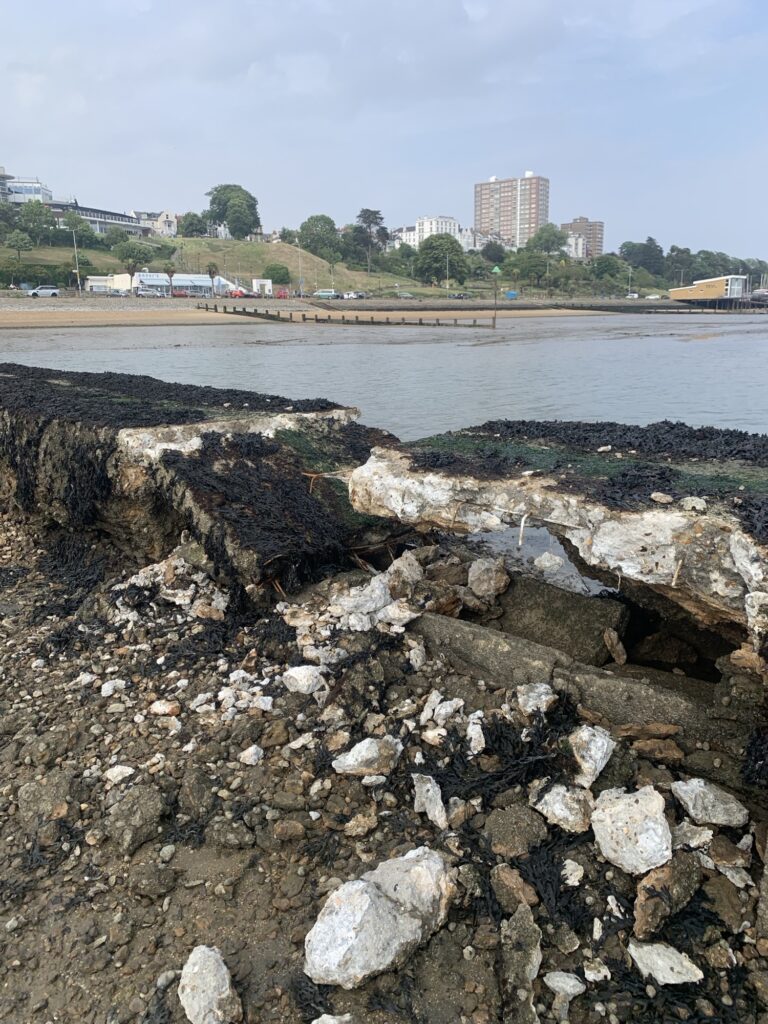
Photo by Southend Against Sewage
A Threat to Our Coast
Southend’s coastline is a major asset, attracting visitors, supporting businesses, and offering recreation for thousands. However, repeated sewage pollution threatens public confidence in bathing waters and damages the seafront’s reputation. The loss of Blue Flag status at Thorpe Bay and Westcliff served as a warning.
Clean water is essential not only for civic pride but also for public health, tourism, and environmental protection.
The Clifftown flooding incidents show that inadequate infrastructure has consequences beyond beaches. Sewer system failures can have devastating impacts on households, causing health risks, financial hardship, and the distress of contaminated homes.
Accountability and Future Investment
Southend Against Sewage has contacted the Environment Agency, Anglian Water, local MPs, and council leaders demanding transparency regarding the sewer network’s condition and capacity, details on past investments, and a credible plan for future upgrades. Regulators must hold water companies accountable when failures occur.
Concerns about increasing housing developments amplify pressure on the sewage network, which risks becoming increasingly inadequate. Current projects at Bournes Green alone will add around 5,000 new homes, with potential for more developments.
An Urgent Problem
The people affected by sewage flooding in Clifftown cannot wait for another incident. Nor should beach users have to doubt the safety of their waters. The question for Southend is no longer whether there is a problem, but whether those responsible have the readiness to invest in solving it before more homes, beaches, and communities are harmed.
Southend’s future should be defined by its heritage and vibrant communities, not by sewage spills, flooded homes, and preventable environmental failures.