

At a Glance
- Southend hosted the UK’s first community-led water summit at Leigh Sailing Club.
- Focus on storm overflows, sewage discharges, bathing water quality and future investment.
- Anglian Water confirmed around £104 million investment into Southend’s wastewater network.
- Community groups, councillors, MPs and businesses united around cleaner, safer water.
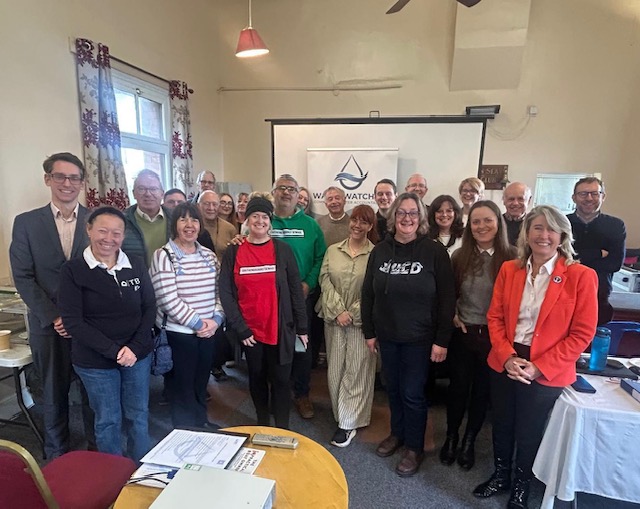
Southend has hosted the UK’s first community-led water summit, united by a shared ambition: to make the city’s coastline among the cleanest and most sustainable in the country.
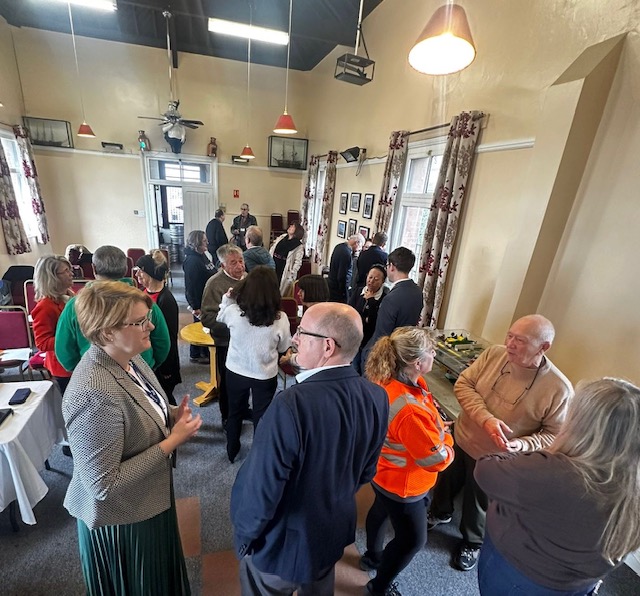
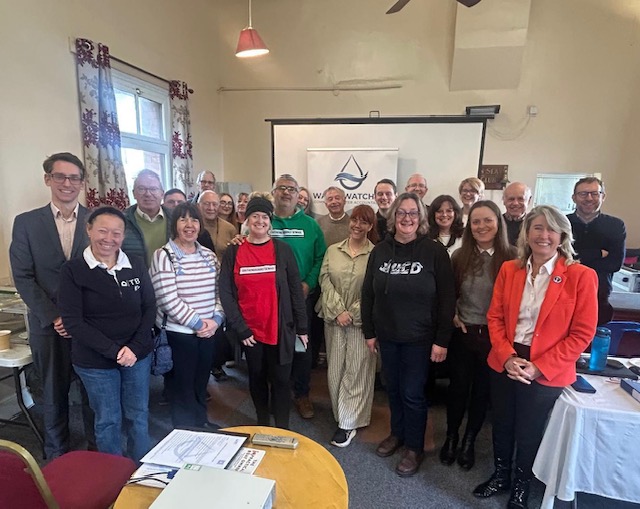
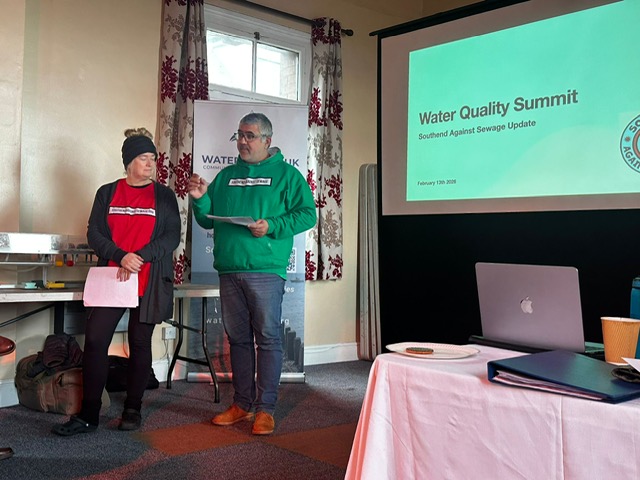
The Waterwatch Southend Community Water Summit took place at Leigh Sailing Club on Friday 13th February, focusing on storm overflows, sewage discharges, bathing water quality, future investment and the effects of over-development.
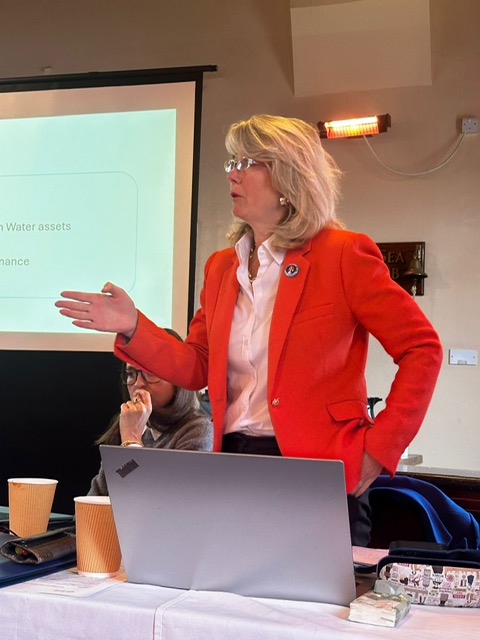
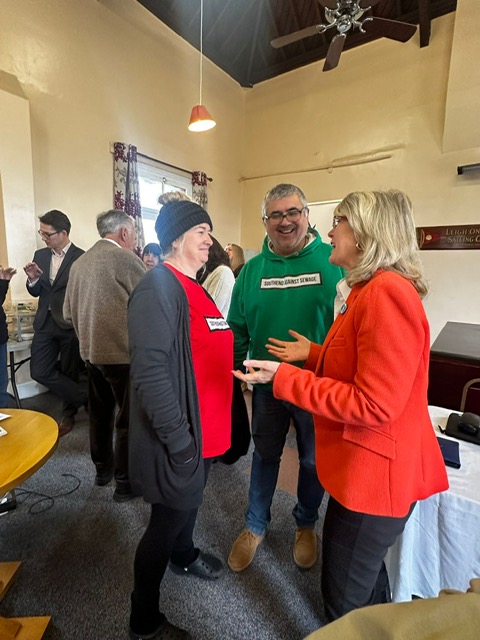
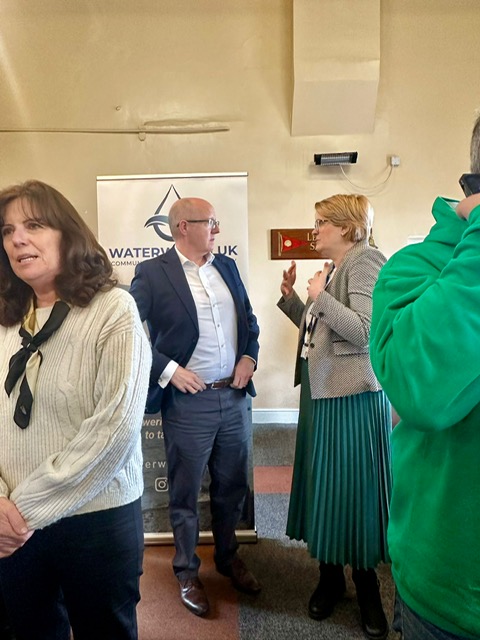
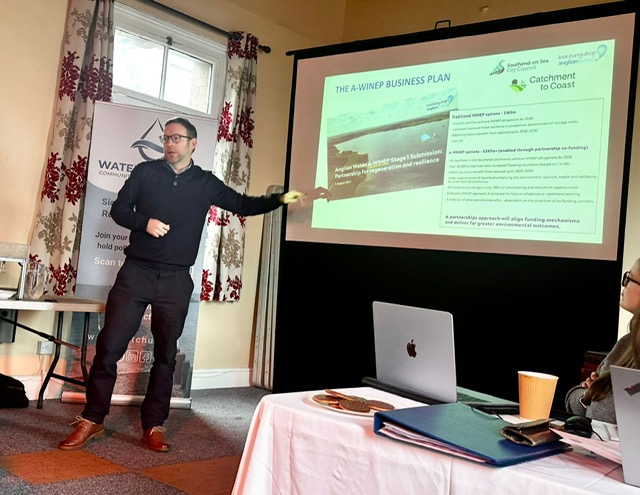
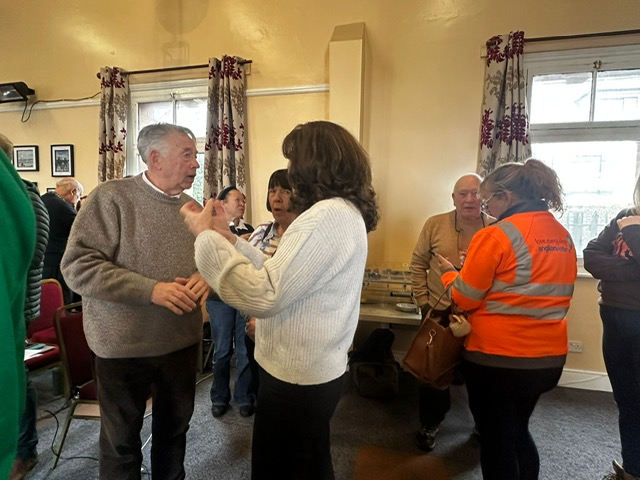
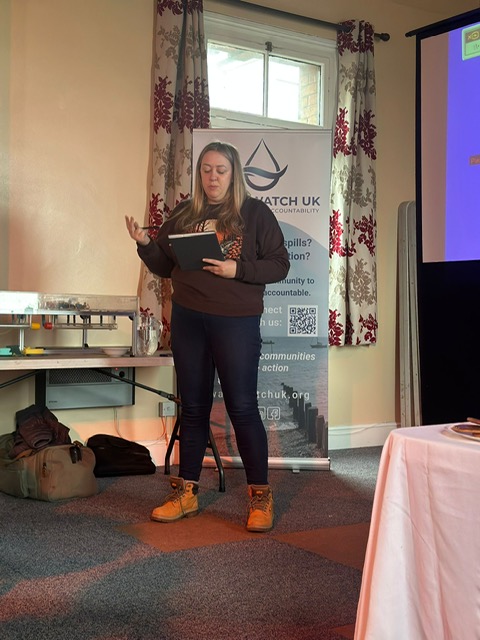
The summit builds on more than three years of campaigning by local water activist and Founder of new charity Waterwatch-UK, Daniella Boon, to improve water quality in the sea for all and ensure water companies, stakeholders and regulators achieve real, measurable outcomes, starting right here in Southend.
Organised by the newly elected volunteer Waterwatch Southend Community Committee, comprising local residents, Bill Taylor, Peter Lovett, Naomi Cox and Marcelle Baum, the event gave residents, campaigners and businesses the chance to engage directly with water companies, the council, regulators and public bodies.
Opening the summit, Chair Anna Firth said the priority was clear: cleaner, safer water for Southend.
“We all share the same aim – to make our city’s beaches the cleanest and most sustainable they can be. It is so encouraging to see residents, regulators and the water industry coming together with a shared determination to drive progress and raise standards along our coastline.”
Mr David Burton-Sampson, MP for Southend West and Leigh, welcomed the community-led approach and confirmed that his office are collating information on the discharge from CSOs alongside Anglian Water and that he will ensure transparency around this data for residents.
Looking ahead, Mr Burton-Sampson pointed to the forthcoming Water Reform Bill, expected to strengthen enforcement, enable no-notice inspections and improve oversight of water infrastructure. He also welcomed the designation of 13 new bathing water sites, including one on Canvey Island.
Investment and infrastructure
Anglian Water gave an update on their plans to invest around £104 million into Southend’s wastewater network to modernise ageing infrastructure, reduce sewage spills and support planned housing growth.
Dr Robin Price, Director of Quality and Environment at Anglian Water, said that:
“the level of engagement and enthusiasm we see at the water summits in Southend is unique. We simply don’t have any other community in our region more engaged and more willing to work with us on this subject which is why we proposed investing £104 million in Southend at the third water summit in 2023”
Anglian Water added that the Advanced Water Industry National Environment Programme (A-WINEP) will prioritise nature-based approaches – including sustainable drainage and green infrastructure – to reduce flooding, spills and improve bathing water quality.
However, such nature-based solutions must still meet the national requirements brought in the by previous Government under the Environment Act and set out in the Storm Overflows Discharge Reduction Plan (SODRP), namely that the water company must not allow more than 2 spills per bathing season (15th May to 30th September) on average for “excellent” bathing waters, 3 spills for “good” bathing waters and a longer-term ambition of no more than 10 spills per year from individual overflows by 2050.
In addition, under the SODRP water companies will only be allowed to discharge from a storm overflow where they can demonstrate that there is no adverse ecological impact for at least 75% of storm overflows in “high priority sites” by 2035, and for 100% of overflows in “high priority sites” by 2045. This is especially significant as the area between Two Tree Island and Southend is designated as a Site of Special Scientific Interest (SSSI), a Special Protection Area (SPA) for birds, and a Ramsar site (wetland of international importance), all three of which count as “high priority sites” under the Environment Act.
Most importantly, Anglian Water representatives said that they are also working with both Southend and Rochford local authorities to balance current investment with growth since the existing sewage network will not cope with the approximately 24,000 new homes currently planned for Southend.
As we move forward, Dr Robin Price said that “the strength of the partnership with the community through the water summit will allow us to do so much more than if we were trying to do things in isolation, and that’s what’s really good for Southend”
Work under way in Southend
Southend City Council highlighted progress to improve coastal resilience and drainage, including refurbishment of multiple outfalls, flood mitigation work and sustainable urban drainage projects whilst accepting that more needed to be done to address blocked drains, surface water run-off and river health.
Cllr Lydia Hyde, Portfolio Holder of the Environment, welcomed the new community-led approach saying that:
“the great thing about the water summits is that it gives the people of Southend direct access to hold the authorities, including myself, Anglian Water and the council, to account. It also gives us the opportunity to hear resident’s concerns, give them answers and take away their queries. It was fantastic to see such a good turnout.”
The Waterwatch Southend Community Committee looks forward to even greater engagement with the Council (and its executive).
Ongoing focus on water quality
The summit welcomed a broad range of campaign groups including Southend Against Sewage, businesses including Stockvale Group, which owns Adventure Island in Southend, the National Federation of Fishermen’s Organisation represented by President Paul Gilson, also a Leigh Town Councillor.
Daniella Boon, Founder of Waterwatch UK, said:
“This summit marks an important shift from campaigning to structured accountability. The community now has a formal platform to track progress, scrutinise delivery and ensure that investment translates into measurable improvements in water quality. That work is only just beginning.”
Paul Gilson said:
“this was certainly the best summit we’ve had. Loads of information was provided and all the venom and spite that was in the earlier meetings had gone. We were all listening to each other and we can all see a future. The issue now is how we get there in the best way”
City Cllr Meg Davidson said: the summit had a very good feel to it. It really felt as if the community was very much in charge.”
Shah Haider, Southend Against Sewage, added:
“it was very well run, very well organised. It was excellent to see very forensic questioning from both the chair and from the audience. It was nice to have the opportunity to present and we would be happy to attend and present again”
Chair, Anna Firth said the summit reflected growing public focus on water quality, with future meetings expected to review progress and support continued improvement.
In closing Anna added:
“The message from the summit was straightforward: stronger scrutiny, sustained investment and continued community involvement will be key to improving local water quality. In particular, it is important we continue to hold Anglian Water to account regarding the timescales for cleaning up storm overflows and spills. I would like to thank all those who attended for their valuable contribution.”