

At a Glance
- Both Malta and Southend face rapid development-driven challenges, including housing demand, environmental degradation, and infrastructure strain.
- Community campaigns such as Save Our Shores and Southend Against Sewage highlight local efforts to protect the environment.
- Shared coastal and green spaces are vital for biodiversity, public health, and climate resilience.
- Integrated planning and long-term investment in sustainable infrastructure are essential for balancing growth with environmental protection.
Environmental Challenges in Malta and Southend
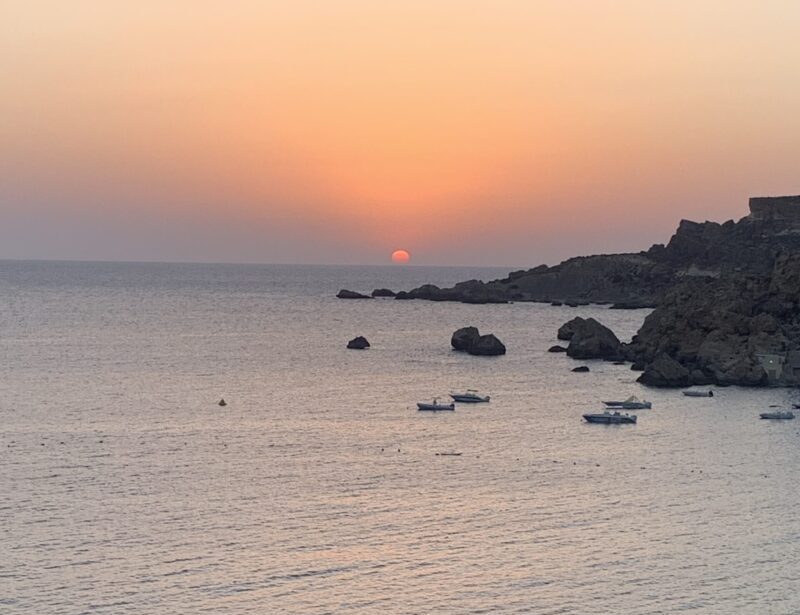
During a recent visit to Malta, we observed how rapid development mirrors the challenges faced by Southend-on-Sea. Despite different histories, landscapes and cultures, both communities confront the consequences of rapid development, pressure on infrastructure, and the erosion of environmental protections.
Population Growth and Land Use
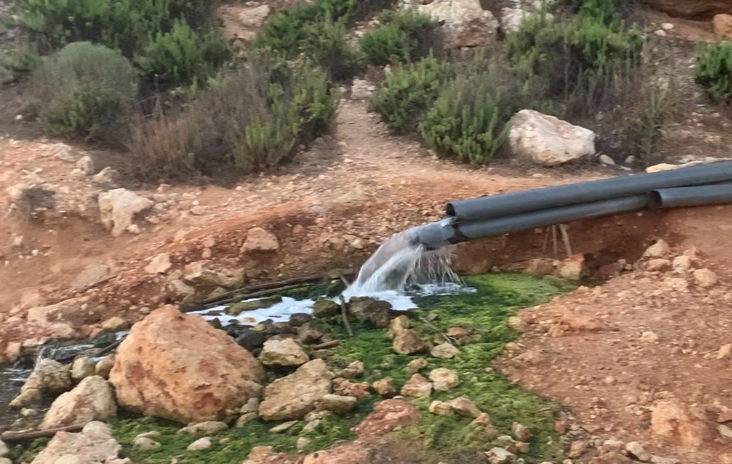
In Malta, rapid population growth driven by economic expansion and inward migration has significantly increased demand for housing. Agricultural land, natural habitats and open countryside have increasingly been replaced by housing, roads, and supporting infrastructure. This has led to habitat fragmentation, declining biodiversity and reduced access to green spaces that provide recreation, cooling, and farming benefits.
Malta’s coastal, or “blue”, spaces have also come under pressure from waterfront development, marina expansion, and rising tourism. These factors strain marine ecosystems and water quality, emphasising the need for planning policies that balance housing needs with protection of the island’s limited natural environment.
Common Coastal Challenges Across Europe
Coastal communities across Europe face interconnected challenges of population growth, housing demand, and environmental degradation. From Malta to Southend-on-Sea, increasing pressure on land and coastlines threatens green and blue spaces essential for biodiversity, public health, and climate resilience.
Local community campaigns like Friends of the Earth Malta’s Save Our Shores demonstrate how grassroots action promotes more sustainable development approaches.
Community Action in Southend
Similar concerns have mobilised community groups in Southend. Over the past five years, Southend Against Sewage has campaigned against sewage pollution, documenting its damaging effects on public health, marine biodiversity and the local economy.
Infrastructure Under Pressure
Southend also mirrors the wider challenge of managing growth while protecting natural assets. Rising demand for housing and commercial development places increasing pressure on Green Belt and other open spaces, reducing wildlife habitats and recreational opportunities.
New developments add strain to roads, public transport, schools, healthcare services, and drainage systems already operating near capacity. Without coordinated infrastructure investment, communities risk growing congestion, declining environmental quality, and diminished climate resilience.
Save Our Shores Campaign
Friends of the Earth Malta’s Save Our Shores campaign has become a leading response to these challenges. It highlights the environmental and public health impacts of pollution from cruise ships, super yachts and other large vessels, along with concerns about the privatisation of Malta’s coastline through luxury marina developments.
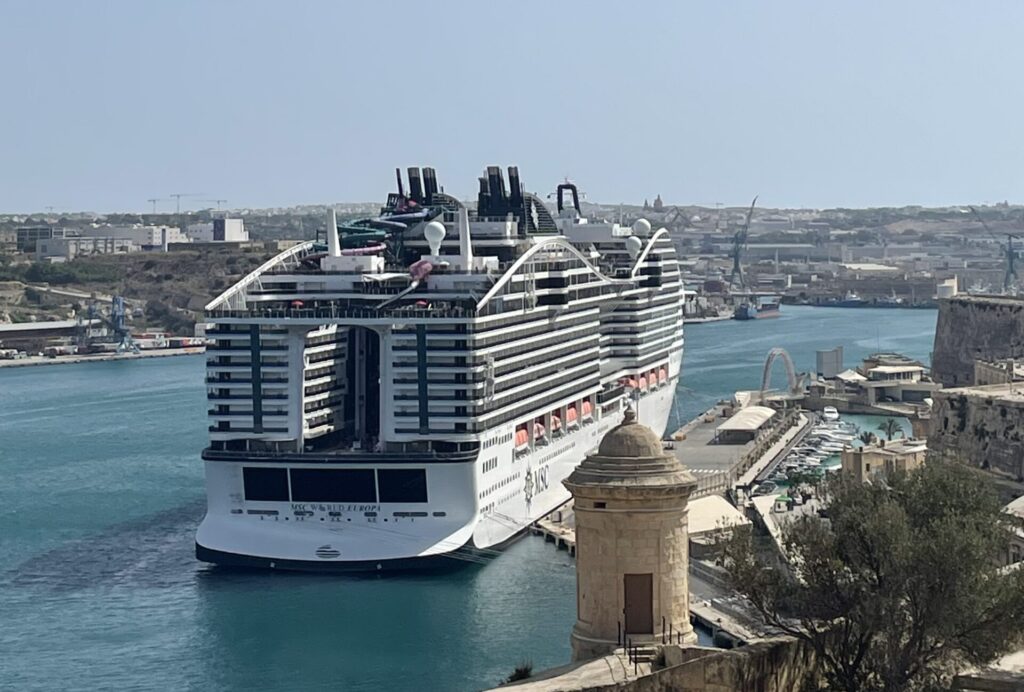
By combining scientific research, investigative journalism, photography, and community engagement, the campaign documents residents’ experiences of pollution and loss of public coastal access. Through community assemblies and public participation, it promotes policy recommendations for cleaner shipping, tighter maritime emission controls, marine ecosystem restoration, and protection of public coastal access.
The campaign emphasises a key principle: coastlines must be managed as shared public spaces rather than primarily commercial interests.
Shared Challenges, Shared Solutions
The experiences of Malta and Southend show these issues are interconnected, not isolated. Sustainable housing, resilient infrastructure, clean seas and protected green and blue spaces need coordinated planning rather than competing priorities.
Community campaigns such as Save Our Shores, Southend Against Sewage, Save Bournes Green and Save Mount Bovers demonstrate the value of local people working together to hold councils and politicians accountable for a sustainable future.
As populations grow and climate pressures intensify, long-term planning must acknowledge that healthy ecosystems and well-designed infrastructure are essential foundations for thriving communities.
By Shah & Alex Haider
On behalf of Southend Against Sewage
southendagainstsewage.org