

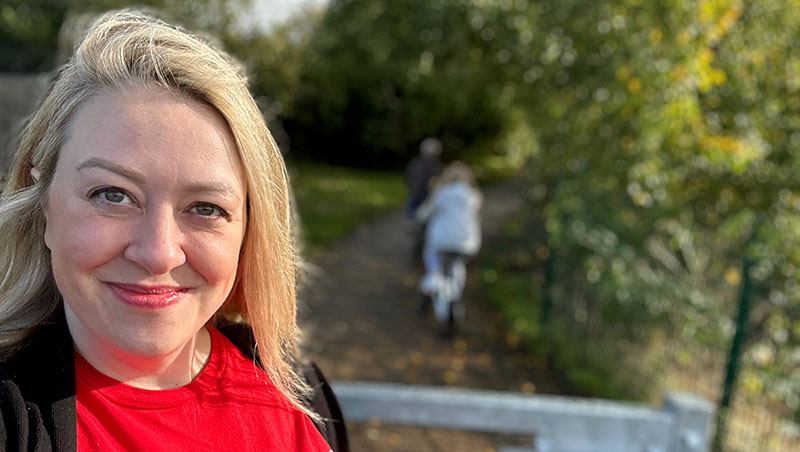
As the Cabinet member for Climate, Environment, and Waste on Southend-on-Sea City Council, I believe I have one of the most important jobs in preserving the green and natural side of our city.
With a portfolio that covers public parks, flooding and sewage, air quality, the new waste contract, biodiversity and wildlife, there are many topics I could focus on. But with our trees forming such an important backdrop to our city and so important to residents, I thought I would spotlight my work on trees and the exciting new measures coming in to grow our tree canopy.
Historical Tree Loss
To understand where we are now, we must first go back. In the 1900s, Southend was a bare landscape, having lost many of its trees from felling for farming and industries such as brick making. But with the town population growing and it becoming a popular destination for sea-bathing, the Council decided to restore tree-lined streets to make them more attractive to new residents escaping the smog of the capital.
Over the next thirty years, a mass-planting scheme saw thousands of trees added.
One hundred and twenty-five years on, as the portfolio holder responsible for trees, I inherited a city with over 28,000 trees, with the majority from this scheme over a century ago. It is a privilege to inherit so many beautiful trees, but also one of the biggest challenges in my portfolio—keeping them in good health.
Edwardian Planting Legacy
Unfortunately, with limited species available at the time and limited knowledge of how they would grow in urban environments, the Edwardians intensely bred from grand ‘forest’ varieties. Now, having grown to lofty heights, they can often cause issues with pavements and roads and are much more exposed to storm damage than they would be in a woodland.
We now know these species’ lifespans are much reduced when grown in streets too. But worst of all, the limited variety, single-species roads, the need for pollarding, and the use of multiple ‘clones’ make them at added risk of disease.
Tree diseases are the number one cause behind tree loss in Southend, with some species being especially devastated by Dutch Elm disease and Ash dieback.
Innovative Tree Preservation
Despite these challenges, our Council’s tree team works hard to save the trees, and we lose under 1% of our trees annually.
Even so, I’m minimising tree loss by ensuring a strict tree policy that is bringing in best practices from other councils and organisations like the Woodland Trust.
We’re maximising the use of innovative ‘flexi-paving’ over problem tree roots and reviewing how we can limit the spread of the disease.
One of the most exciting ways we will be doing so is by growing our own trees at our Parks nursery, becoming self-sufficient in trees that are grown for our climate.
Tree Canopy Recovery
However, I am determined to not only save existing trees but to increase the canopy again.
Currently, if you look from above, only 12% of our city is covered in trees, when we want a minimum of 15%. Since May, I have been developing an extensive tree canopy recovery strategy with a variety of measures designed to get trees back into our streets.
Using an extensive catalogue of tree varieties selected for growing in streets, we’ll be planting new trees from Leigh to Shoebury, targeting the areas they’re most needed.
As well as our existing 2-for-1 tree replacement policy, we’re maximising tree planting into the extensive footways resurfacing scheme.
We’ve made a simple set of rules to define where new tree pits can be placed, so it’s easy to identify locations in our new enhanced scheme for donating trees for communities to greenify their local roads.
Belton Hills Restoration
Many residents will especially mourn the loss of the trees on the Belton Hills, which gave dreamy woodland walks with sea views.
Having overseen the completion of the stability works to the cliffs here in recent months, it was clear to me that there is immense opportunity on the bare slopes for new planting.
So, I’m delighted to announce that I have committed to replanting Belton Hills with hundreds of trees in the coming years.
This will include celebratory ‘specimen’ species that will be planted to recognise the babies born in the city that year. A variety will be chosen that is at its best for each month of the year, so Belton Hills will be a quilt of colour year-round.
Vision for a Greener Future
With these measures, I hope to transform Southend into a green city oasis, to be enjoyed by all residents now and generations to come.
Cllr Lydia Hyde
Labour & Co-Operative Cllr for St Laurence Ward
& Cabinet Member for Climate, Environment, and Waste
CllrLydiaHyde@southend.gov.uk