

Southend’s new Local Plan has finally been released and for many residents, it makes heavy and worrying reading!
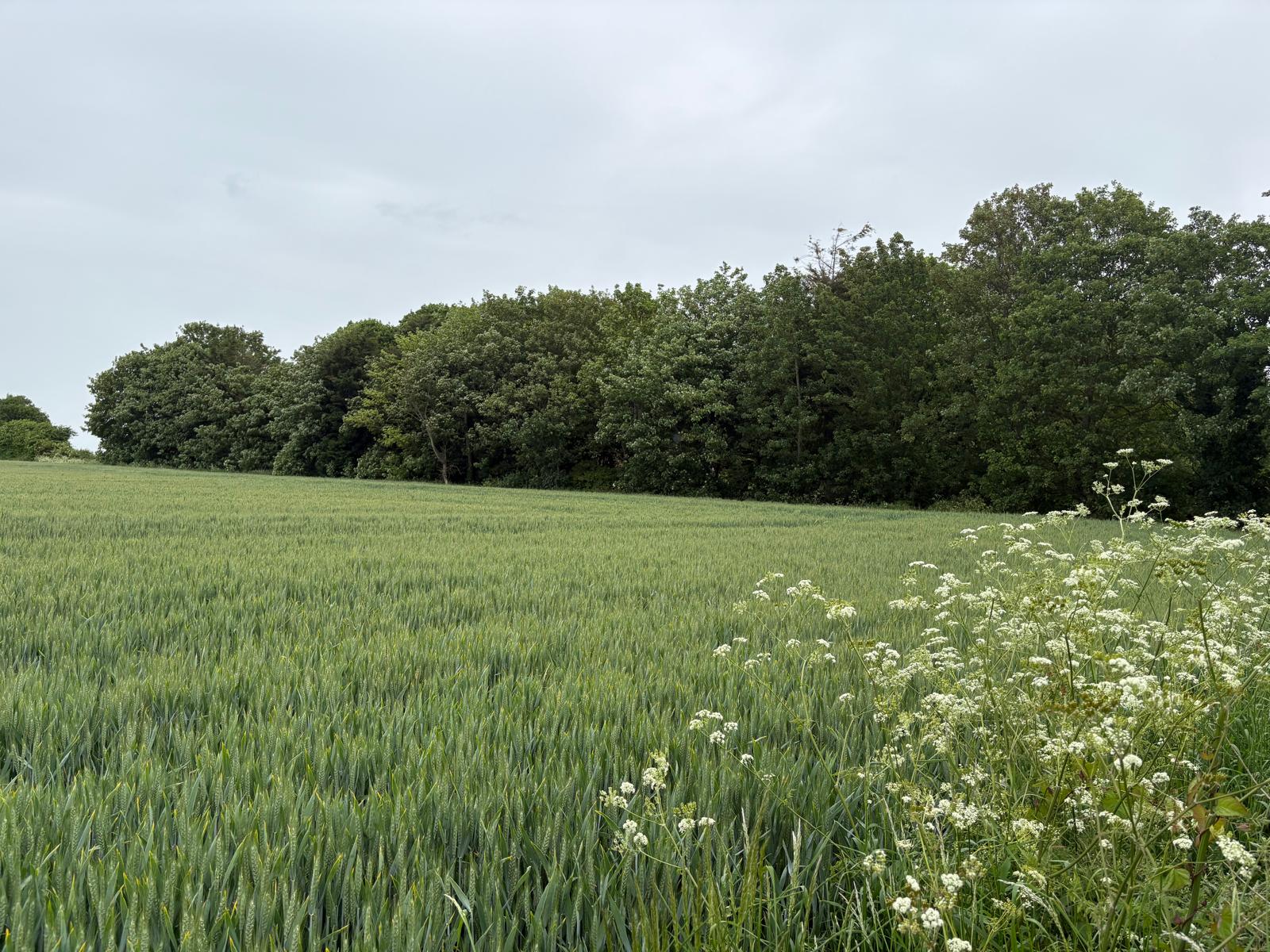
At the heart of the proposals lies a vision to build 10,000 new houses on our green belt land, a move that would permanently change the character of our city and place huge strain on our already over-stretched services.
For those who haven’t yet seen it, the consultation document sets out the “Preferred Approach” for Southend’s future housing. Buried in the technical language is a stark reality: this is not just about meeting Government housing targets, it is about using every available patch of land, regardless of whether our infrastructure, environment, or community can cope.
Here’s why so many residents are deeply concerned, and why it is vital you have your say.
A City Already at Breaking Point
Southend already has 83,500 houses and a population of around 182,200 (figures based on Office for National Statistics mid-2023 population estimates and Southend-on-Sea housing stock data.) The Local Plan proposes adding an additional 10,000 houses, on top of the already agreed 23,000! This would mean an extra 75,000 people crammed into a city that is already more densely populated than parts of London.
The knock-on effects would be huge: longer GP waiting lists, overstretched hospitals and dentists, more traffic congestion, and added pressure on schools, emergency services, and basic infrastructure. Our health and wellbeing would inevitably suffer.
Promises vs Reality
The Council says new houses will be matched with new jobs and infrastructure. But history tells a different story. In Shoebury, large housing developments have been approved with no meaningful job creation, in fact, many local employers have shut down.
Since 2014, more than 5,000 new houses have been approved in Southend, yet only about 50 have actually been built. Much of the approved land lies empty, wrapped in hoardings, with developers either sitting on it or walking away.
And the major regeneration project at Queensway is a cautionary tale: costs ballooned from £300m to £585m before developers pulled out, leaving the Council in debt. Even now, scaled-back plans are being pushed forward to avoid repaying £17.4m in grants, not necessarily because it’s best for residents.
The Infrastructure Myth
The Plan talks about new infrastructure, but much of it is developer-led. That means the Council has little control over whether promised facilities ever materialise. Even when agreements are signed, the record shows they are rarely delivered in full.
For example, the Plan estimates it would cost £108 million just to provide the schools needed for the new housing. But if household sizes end up being larger than forecast, as often happens with family houses, that figure could double. Where will the extra money come from?
Protect our green spaces & preserve Southend’s Future
Climate and Flooding Concerns
Building 10,000 houses will increase carbon emissions, no matter how “green” the design claims to be. Truly sustainable building is expensive, and risks producing high-end houses aimed at buyers from outside Southend, rather than affordable housing for local people.
There are also serious flooding risks. Large parts of Shoebury are on Grade 3a flood plains, with sewers already struggling. Raising one development site by six metres may protect those new houses, but could worsen flooding for neighbouring streets.
Housing Need vs Housing Greed
The 2019 Local Plan rejected any use of green belt land. Why change now? Critics argue this new Plan is based on available land, not actual local housing need.
We have over 1,600 people on the Housing Register, including 600 in desperate need of affordable houses, yet prime sites have been approved without a single affordable property, even in landmark locations like the Royal Hotel.
A Pattern of Broken Promises
Residents have heard big promises before: affordable housing, flood protection, community facilities. Too often, these never arrive.
From the failed £55m seafront museum project to the “stench-prone lagoon” and stalled redevelopment sites, Southend has a track record of ambitious schemes that cost millions but fall short in delivery.
The Consultation Problem
The official consultation is full of closed questions and one-sided language, painting Southend as a “City of Opportunity” before even asking for public views. Many residents find the process confusing or inaccessible.
What’s at Stake
This is about more than housing numbers, it’s about the future of Southend. Once our green belt is gone, it is gone forever. The next generation will inherit a more crowded, more polluted, less healthy city.
Many residents grew up enjoying Southend’s open spaces and community feel. They want their children and grandchildren to have the same quality of life, not live in an overdeveloped, congested city where green space is a memory.
Have Your Say Before It’s Too Late!
Deadline: Tuesday 30th September – 5pm
The deadline for public comments is hidden deep (Section 3) in the Local Plan document. Don’t wait until it’s too late. Tell the Council loud and clear: Southend’s green belt is NOT for sale!
To comment, either use the online consultation or send your views directly to the Council by email or post. Make sure your objections are counted.
📌 Website: localplan.southend.gov.uk
📌 Email: planningpolicy@southend.gov.uk
By Clive Rowe, Concerned Local Resident