

Southend Residents Reject Council’s Controversial Housing Push!
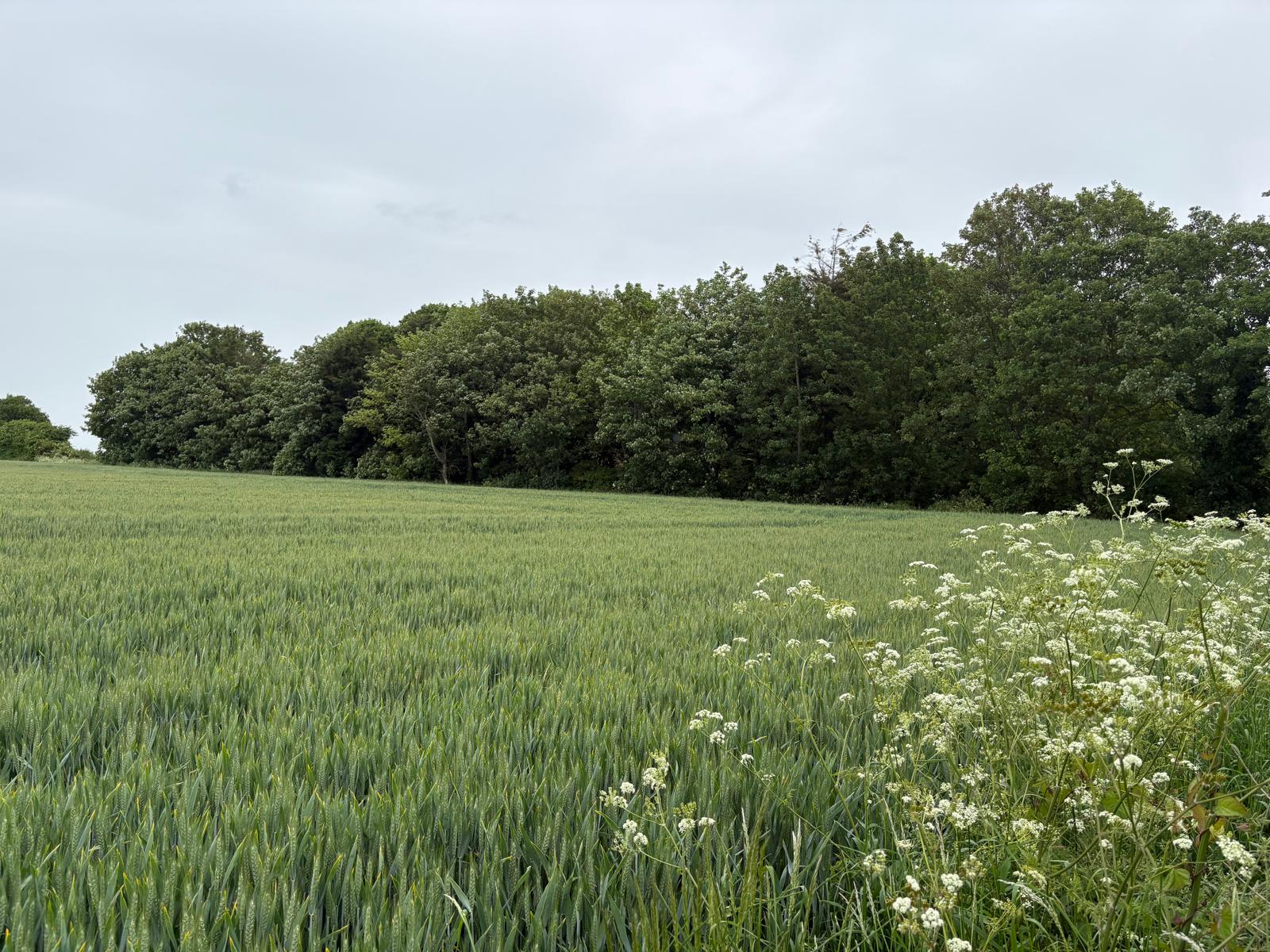
The expression of interest from the Labour, Liberal Democrat and Independent Group to build 10,000 homes on Green Belt land near Bournes Green Chase has ignited much anger right across Southend.
And considering these homes aren’t even included in Southend’s made-up-out-of-thin-air government targets of 23,000 new homes, it begs the question, why would they do this?
False Infrastructure Promise
They submitted their expression of interest under the guise of “infrastructure first”, but we know that’s never going to happen because we don’t have the right infrastructure now. And what makes them think developers will invest if they have to contribute to paying for new hospitals and schools?
That’s aside from the 50% affordable housing quota required of developers if Green Belt is to be flattened, as set out in the National Policy Planning Policy Framework (NPPF) – the overarching guide for planning in the country that defines what Local Planning Authorities can do.
Rarely does a developer fulfil any affordable housing quota already. We know they constantly loophole their way out of this obligation where they cite financial unviability after gaining the planning permission. Look at what Bellway are doing in the flood plain development in Shoebury.
It cannot be reiterated enough that the NPPF sets out the rules of play for local authorities and they are very specific about the restrictions on Green Belt.
Strong Protections Revealed
I was quite buoyed by the document in fact and would recommend all who are interested in saving the Green Belt to read it. The protections are strong and they most certainly confirm that Local Authorities are the primary arbitrators of Green Belt land – which is in stark contrast to the Labour Leader of Southend City Council’s position, who claims if they don’t press forward with this plan then developers will do it anyway and Southend’s infrastructure will not be protected.
To confirm: the NPPF states
“when considering any planning application, local planning authorities should ensure that substantial weight is given to any harm to the Green Belt. Inappropriate development is, by definition, harmful to the Green Belt and should not be approved except in very special circumstances.”
Council Can Still Say No
Let’s imagine our council took the opposite position of their expression of interest and defended our land as most residents would wish and refused planning permission. The developer could then appeal to the Planning Inspectorate and they would make their assessment. In some circumstances the Secretary of State for Levelling Up, Housing, and Communities might even “call in” the application to take personal responsibility for the decision. But crucially, they must follow the National Planning Policy Framework (NPPF), which sets strict “golden rules” for Green Belt development.
Fails on Multiple Grounds
Reading the NPPF closely, it is absolutely clear to me that a proposal like this would fail almost all the guidance and that Southend Council would have a strong case in a judicial review. It would fail on the grounds of: lack of housing need (there are 1,500 waiting for housing in Southend – not 10,000); already available brownfield sites; already available empty properties; impact on sustainability; harm to wildlife; harm to health in regard to air quality via thousands of new cars to the town (bear in mind this administration declared a “Climate Emergency”! – how does that marry up?); and harm to residents through lack of infrastructure.
So I say let any developer appeal at their own time and cost. Let the planning inspectorate venture to our little town to discover for themselves just how little room we have. Let the Rt Hon Angela Rayner MP introduce herself to Southend and tell us just how much she is right and we are wrong. And let us have our day in court.
Public Opposition Is Crucial
Better this than offering our land on a plate! What can you do? The legal power of large numbers of residents writing in to object cannot be underestimated. Strong public opposition can influence decisions, support legal challenges, and make it harder for developers or government to ignore local views. Bottom line: The more residents sign the petition and write to their ward councillors and MPs the harder it is to ignore local opposition and the greater the chance of protecting our precious Green Belt land.
Southend-on-Sea Council works for residents, not Westminster or developers. If they give up our Green Belt without clear public backing, they must be held accountable. Hopefully there will be elections in 2026 and we can make this so.
by James Miller
Southend Confelicity Leader
jamesmillersouthendconfilicity@gmail.com