

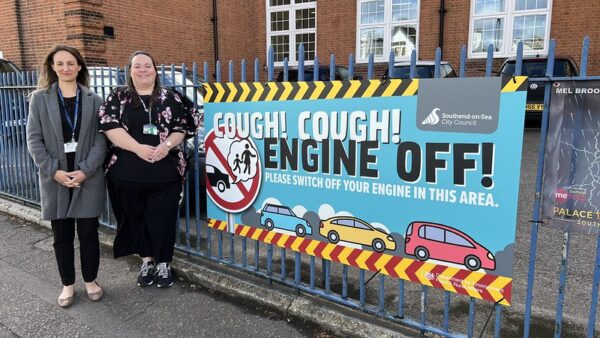
As part of the Council’s commitment to enhancing air quality across Southend, they initiated an innovative two-year Clean Air Schools Project last year, working with 11 schools. This project is funded by a £256,285 grant from the Department of Environment, Food and Rural Affairs (DEFRA).
First-Year Progress: Air Quality Monitoring
During the first year, the government’s air quality grant was used to purchase monitoring equipment to gather local pollution data. This data will help assess interventions that could reduce pupil exposure to pollution.
The equipment was installed in all 11 schools for three months, collecting air quality data. Over the coming months, the equipment will be reinstalled, following the introduction of mitigation measures like air purifiers, to monitor any reduction in pollution concentrations.
New Initiatives to Combat Air Pollution
The project is now entering its second year, and several initiatives will be launched to encourage healthier practices, including:
- Anti-idling Campaign: Anti-idling signs will be placed in all 11 schools to raise awareness of the harmful effects of vehicle emissions. This campaign will also be visible across the city. For more information, visit Anti-idling – Air quality – Southend-on-Sea City Council.
- Living Green Wall at St. Mary’s School, Prittlewell: A living green wall will be installed later this year, acting as a natural air filter. This wall will trap airborne pollutants, resulting in cleaner air for students, while reducing concentrations of air quality pollutants between the road and school grounds.
Council Leaders Speak on the Project
Councillor Lydia Hyde, cabinet member for climate, environment, and waste, expressed her enthusiasm for the project:
“It’s encouraging to see the Clean Air Schools Project embraced by local schools, allowing us to pinpoint harmful levels of pollution and devise interventions, particularly along the A127 and A13.”
Hyde also highlighted the importance of the anti-idling campaign and the green wall installation as key innovations to protect children’s health.
Councillor Maxine Sadza, cabinet member for social care and healthier communities, also emphasized the broad benefits of cleaner air:
“Cleaning up our air benefits physical health and the environment, and more recent studies show that it can also protect brain health. Air pollution has long been linked to asthma and heart disease, but now we know it can impact the mind as well.”