

At a Glance
- A fresh look at Southend’s foreshore as a rich natural environment often overlooked by residents.
- Evidence of ecological change, including large Brent goose populations and expanding eelgrass.
- New shoreline habitats supporting oysters, crabs, birds and growing fish stocks.
- Concerns remain about the decline of traditional fish species and pressures on the Thames Estuary.
- The importance of community involvement in protecting Southend’s coastal environment.
It has been several years since I last wrote for Oracle, and in that time our shoreline has changed dramatically.
The title of this piece, See Life, is deliberate. It is not a misprint. It is an invitation to notice what many people pass every day without truly seeing: the southern edge of Southend, our foreshore.
Nature’s Hidden Landscape
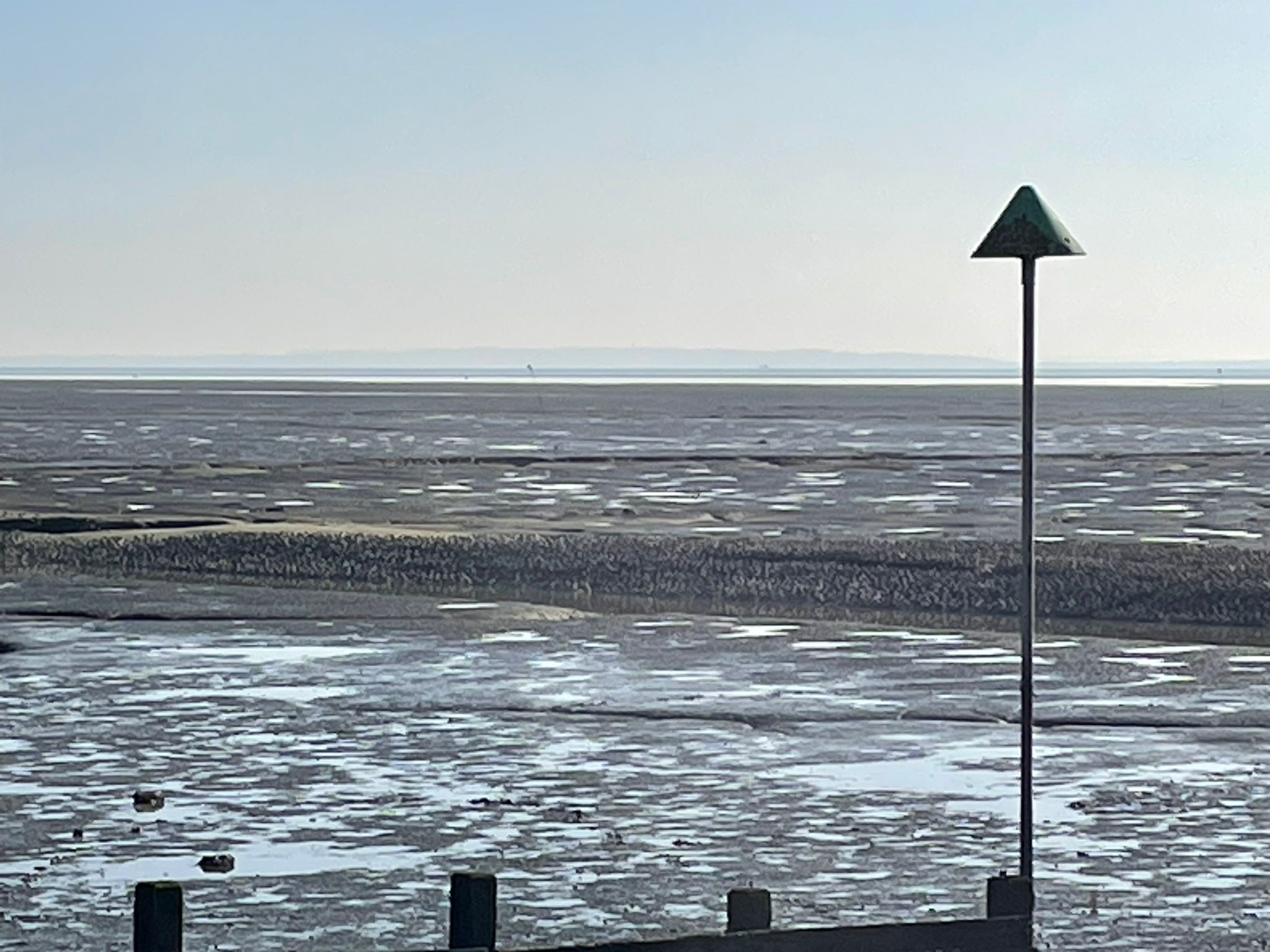
How many of us drive along the seafront, glance at the tide, note whether it is calm or rough, and move on? Few stop to consider that this is, in every meaningful sense, countryside. It has the same richness, complexity and diversity as any rural landscape, perhaps more, yet it is too often taken for granted.
Not long ago I was deeply concerned about the health of the Thames Estuary, particularly our local foreshore. There were worrying signs that fish stocks and wider biodiversity were declining. What has followed, however, appears to be a remarkable ecological reset, and an encouraging one.
One striking example is the extraordinary number of Brent geese this winter, likely exceeding 10,000 birds. Good breeding seasons may play a role, but the real driver is almost certainly food availability. Eelgrass, their primary winter diet, has expanded significantly, not just around Leigh but along much of the coastline as far as East Beach, and it continues to spread.
The physical character of the shoreline is also changing. At Chalkwell, areas once dominated by mud, historically popular for bait digging, are now covered with pebbles over a clay base. This shift has created new habitats. Manila clams now thrive there, attracting large numbers of carrion crows and supporting small crabs among the stones. Watch the rooftops from the Kursaal to the Castle pub as the tide falls and you will see hundreds of crows waiting for feeding time.
Thriving Oyster Reef Habitats
Equally remarkable are the Pacific (Gigas) oyster beds that now extend along much of our coast, possibly in greater abundance than at any time since the 17th or 18th centuries. Oyster reefs are natural water filters, removing suspended particles and improving water clarity. They also form complex habitats that support worms, crustaceans and other species, which in turn feed wading birds such as redshank, turnstone, little egret and ringed plover.
Fish populations appear to be responding to these changes. Shore fishing has become increasingly productive, with bass, flounder, smoothhound and eel regularly caught from the beach.
At the end of Southend Pier, catches can include mackerel and even conger eel. Squid and octopus have also been recorded. Bass, once scarce, are now so abundant that some anglers regard them as a nuisance species.
Given these conditions, it is surprising that sea angling is not more actively promoted as a recreational asset for the city.
Declining Traditional Fish Stocks
There is, however, a downside. Traditional species such as Dover sole and plaice have largely disappeared from local catches. This decline may be linked to human activity across the estuary, offshore wind development, subsea cables, dredging, increased vessel noise and other disturbances that alter seabed conditions and migration patterns.
Recent discussions at the Waterwatch Southend Water Quality Summit highlighted how complex these pressures are. Representatives from regulators, water companies and community groups acknowledged both improvements in some ecological indicators and ongoing concerns about pollution, infrastructure and long-term resilience. The message was clear: recovery is possible, but it is fragile and requires sustained attention.
A Shoreline Worth Protecting!
Our shoreline today is vibrant, dynamic and far more ecologically significant than most people realise. It deserves both celebration and protection.
For that reason, I have joined Waterwatch UK, a community-led initiative working to improve water quality and ensure accountability for the health of our rivers, estuaries and seas. Local engagement of this kind is essential if we are to safeguard what we still have, and rebuild what has been lost.
Next time you walk or drive along the seafront, look more closely. What appears at first glance to be mud and water is, in reality, one of the richest natural environments in the region.
You just have to see life.
By Cllr Paul Gilson
Planning, Licensing and
Environment Committee – Chair
cllrgilson@leighonseatowncouncil.gov.uk