

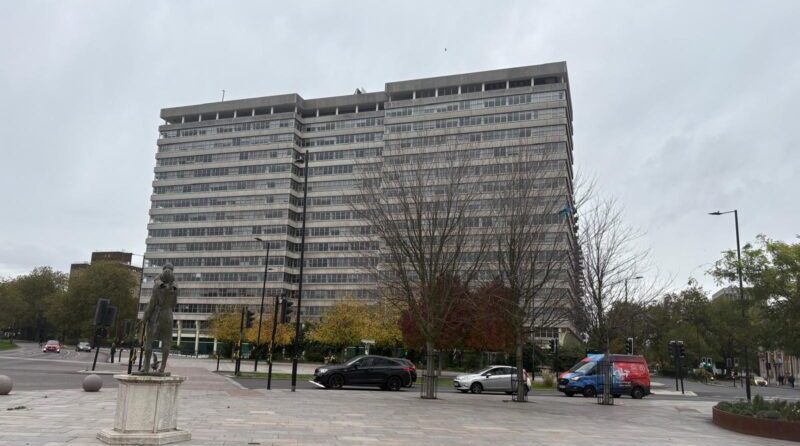
In the last edition of the Oracle, concerns were raised regarding plans by UK house building company Bellway to build on the floodplain in Shoebury. Local residents have questioned how planning decisions, such as this one in Shoebury and the conversion of the old HMRC building on Victoria Avenue, get approved despite opposition.
Politics and Planning Clash
Planning is complex, and politicians across the country have done little to clarify the process for residents. Unfortunately, politics and planning don’t always align well—especially with electioneering involved. Changing politicians at the local level rarely alters planning decisions, as the application decision-making process is largely inflexible.
Politician A might say, “Elect me and I’ll stop that development,” but, in reality, if they’re pre-determined on an issue, they’re disqualified from voting on it in the planning committee.
I aim to explain this process so that residents understand how planning applications are evaluated and why decisions are challenging to reverse except in rare, exceptional circumstances.
Application Review Process
Once an applicant submits a planning application, the Local Planning Authority (LPA) reviews it to verify its validity against national and local requirements. Then, it’s registered, and a case officer is assigned. The LPA publicizes the application, informs neighbors, statutory bodies, and other departments, and invites feedback (typically within 21 days).
Planning Law Requirements
Planning law mandates that applications align with the area’s development plan, government planning policies, guidance from the National Planning Policy Framework, and input from the public and statutory consultees. Responsibility for these decisions lies with elected members of the local planning authority, typically councillors from various political backgrounds. Although politically affiliated, they must remain unbiased in their decision-making.
Delegated Powers and Exceptions
In most cases, planning officers have delegated powers to make decisions on behalf of the council. Only large, controversial applications or those “called in” by a councillor reach the committee level for review. When needed, councillors vote based on the committee’s recommendation.
A planning application can be approved, conditionally approved, refused, or deferred for further information. However, decisions must be made within a set time.
Refusal Criteria and Appeals
Refusals require material reasons; otherwise, if the applicant appeals through the Secretary of State, the council risks liability for costs. An approved application typically remains irrevocable unless there’s proven misinformation or intent to mislead, allowing revocation by either the LPA or the Secretary of State. Revocation is possible only before development completion.
How Planning Works for Shoebury’s Development
Planning permission for the Shoebury development was granted in 2022 and remains in effect unless revocation criteria are met. While I share residents’ concerns about the site, the permission followed legal processes based on the committee’s information.
As Leader of the Council, I understand the frustration, but I cannot reverse the cross-party committee’s decision. Planning must maintain fairness and consistency, even when the outcomes aren’t popular.
by Cllr Daniel Cowan
Leader of the Council
Labour Councillor for St Laurence ward
CllrDanielCowan@southend.gov.uk